Wondering what life in Spring Lake feels like after summer crowds head home? If you love the Shore but want a quieter, residential pace, this small Monmouth County borough stands out. You get beach access, walkable streets, and a charming downtown without the party-town rush. In this guide, you’ll learn how Spring Lake lives in every season, from schools and services to housing and commutes, so you can decide if it fits your day-to-day life. Let’s dive in.
Spring Lake at a glance
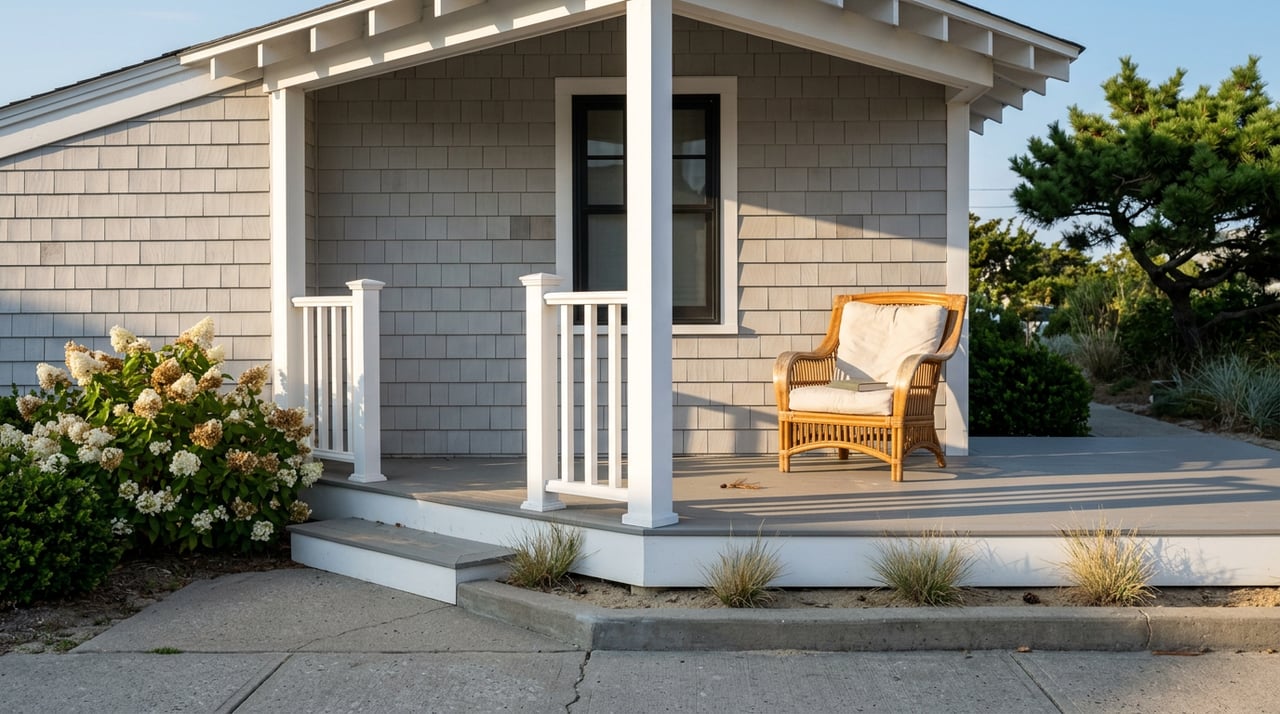
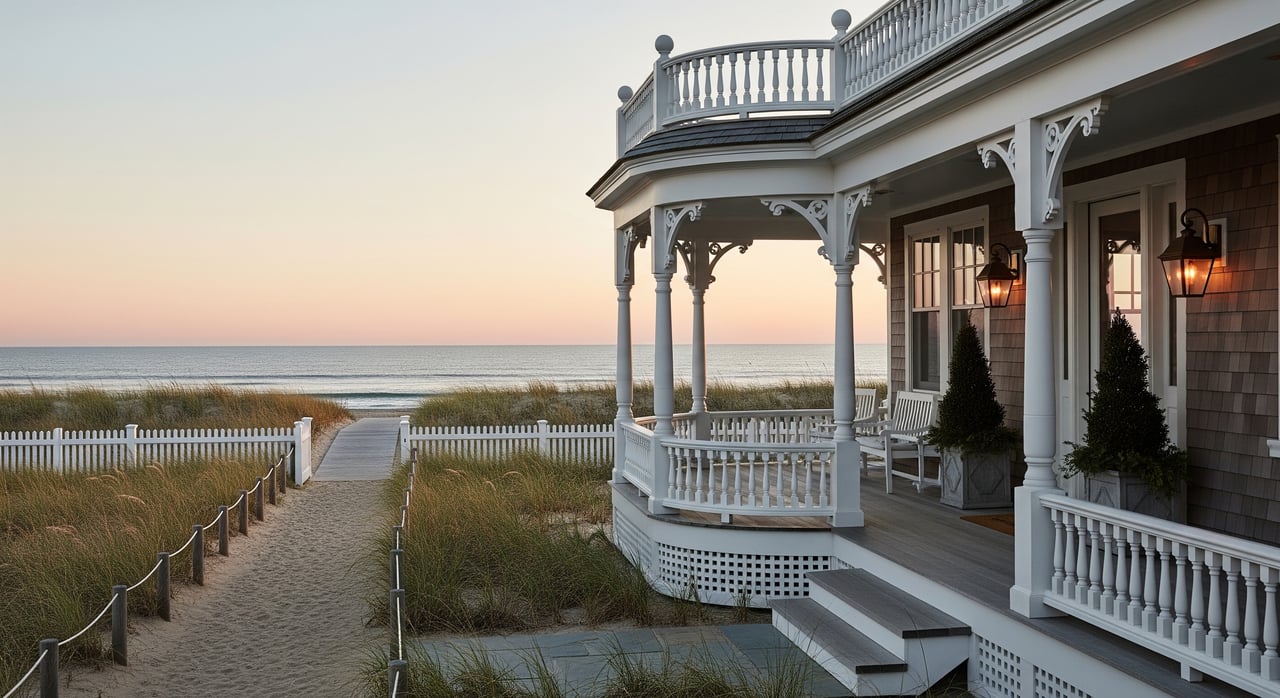
Spring Lake is a compact, primarily residential town on the northern Jersey Shore. It is known for its public beachfront and promenade, tree-lined streets, and an architectural mix that includes Victorian and early 20th-century homes. Many residents choose it for a calmer, upscale feel compared with more nightlife-focused shore towns.
- Quiet, residential setting with a strong sense of place.
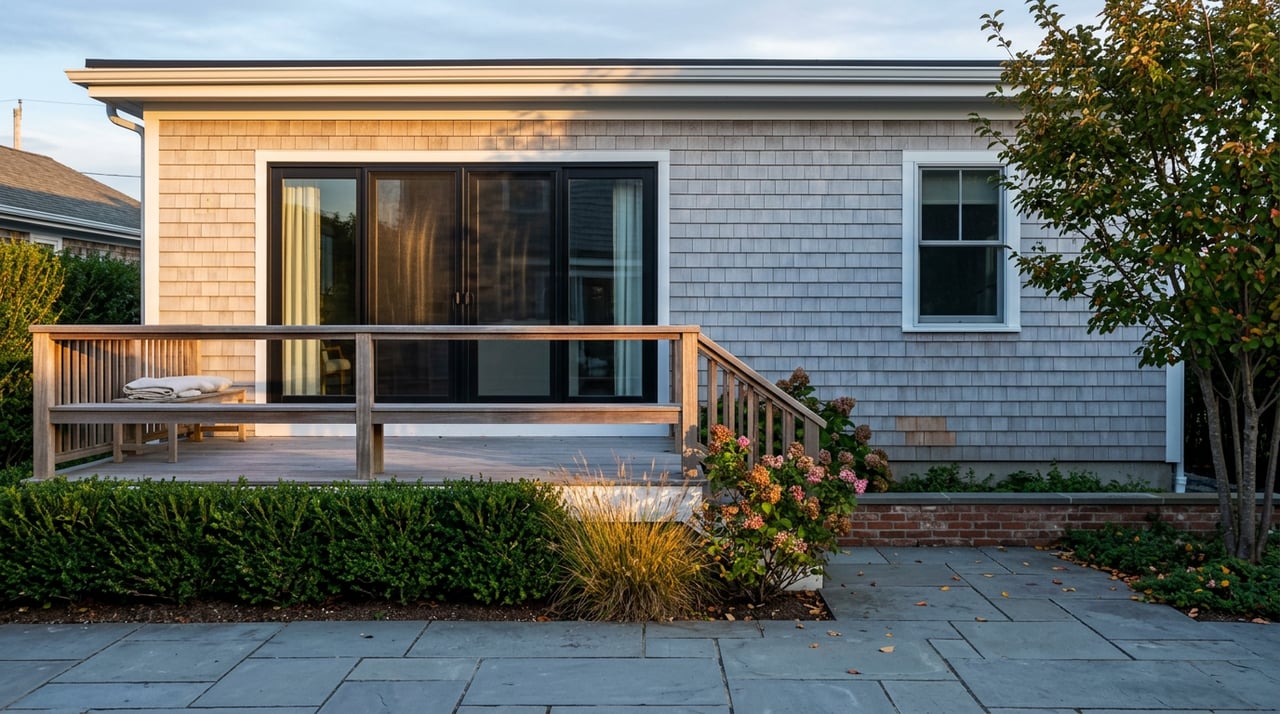
- Architecture ranges from larger single-family homes to beach cottages and a limited number of condos.
- Summer is active, while fall through spring is intentionally low-key.
The year-round rhythm
The town runs on two speeds. In summer, you’ll see more second-home owners and visitors, and local businesses extend hours. When temperatures cool, the pace shifts to a neighborly routine.
- Off-season you can expect calmer sidewalks, easier parking, and a relaxed downtown.
- Community life continues through local programs, clubs, and seasonal municipal events.
- You will rely on nearby towns for some bigger-box shopping and specialty services.
Walkability and getting around town
Spring Lake’s compact layout makes it easy to walk to the beach, lake, and the small downtown core from many neighborhoods. Sidewalks help with daily loops, whether you’re heading to a cafe or taking the dog for a stroll. For larger errands and medical appointments, most residents drive to nearby Monmouth County towns.
Dining, shopping, and everyday services
You will find boutiques, cafes, and service businesses in town, with a smaller footprint than larger shore hubs. Off-season, some establishments reduce hours or pause operations, so you’ll plan around seasonal schedules. For full-scale grocery runs, warehouse clubs, or extensive retail, you’ll head a short drive to surrounding communities like Belmar, Wall Township, or Long Branch.
Pro tip: Keep a short list of year-round restaurants and shops that match your routine, and note any seasonal closures. That simple habit makes winter living smooth and predictable.
Recreation beyond summer
When beach days give way to sweater weather, outdoor life shifts to walking and biking around the lake, neighborhood loops, and regional parks. Indoor programs at the library and community organizations keep calendars active. Local houses of worship, civic groups, and hobby clubs help you plug in quickly, whether you are a full-time resident or transitioning from a summer home.
Schools and education
Spring Lake operates a local K–8 public school district with a smaller-scale environment. Historically, borough high school students attend Manasquan High School through a sending-receiving relationship. Families also consider nearby private and parochial schools, along with county vocational options.
What to do next:
- Review the Spring Lake K–8 district and NJ Department of Education resources for current programs and enrollment.
- Confirm the current high school arrangement with Manasquan Regional and learn about any application or choice options.
- If you are comparing private or parochial schools, note distance and transportation options from your prospective neighborhood.
Health care and emergency services
For routine care and specialists, residents use medical providers throughout Monmouth County, including major hospitals in nearby towns such as Neptune, Long Branch, and Ocean Township. The borough provides local police and emergency response, with municipal service details available directly from the town.
Getting to and from Spring Lake
- Rail: Spring Lake has an NJ Transit station on the North Jersey Coast Line with service to key hubs, including Newark and connections into New York City. Schedule patterns and transfer points vary, so check current timetables when planning a commute.
- Roads: Access to Route 35 and the Garden State Parkway supports car commutes around the Shore and to North Jersey. Travel times can change with season and time of day.
- Local mobility: There is limited in-town transit, so most residents rely on cars for larger errands and medical appointments.
If you plan to commute, test your route on a weekday morning and evening. It is the fastest way to get a feel for timing across seasons.
Weather, storms, and seasonal maintenance
You will experience warm summers and cool winters, with the possibility of Nor’easters, tropical systems, and occasional coastal flooding. Responsible shore ownership often includes proactive maintenance like winterizing, sump pumps where appropriate, and attention to drainage. The borough handles snow removal and storm cleanup, and you can check municipal schedules and ordinances as seasons change.
FEMA flood maps and local elevation vary by block, so it is smart to evaluate each property’s specific flood zone and discuss coverage with an insurance specialist before you buy.
Housing styles and market snapshot
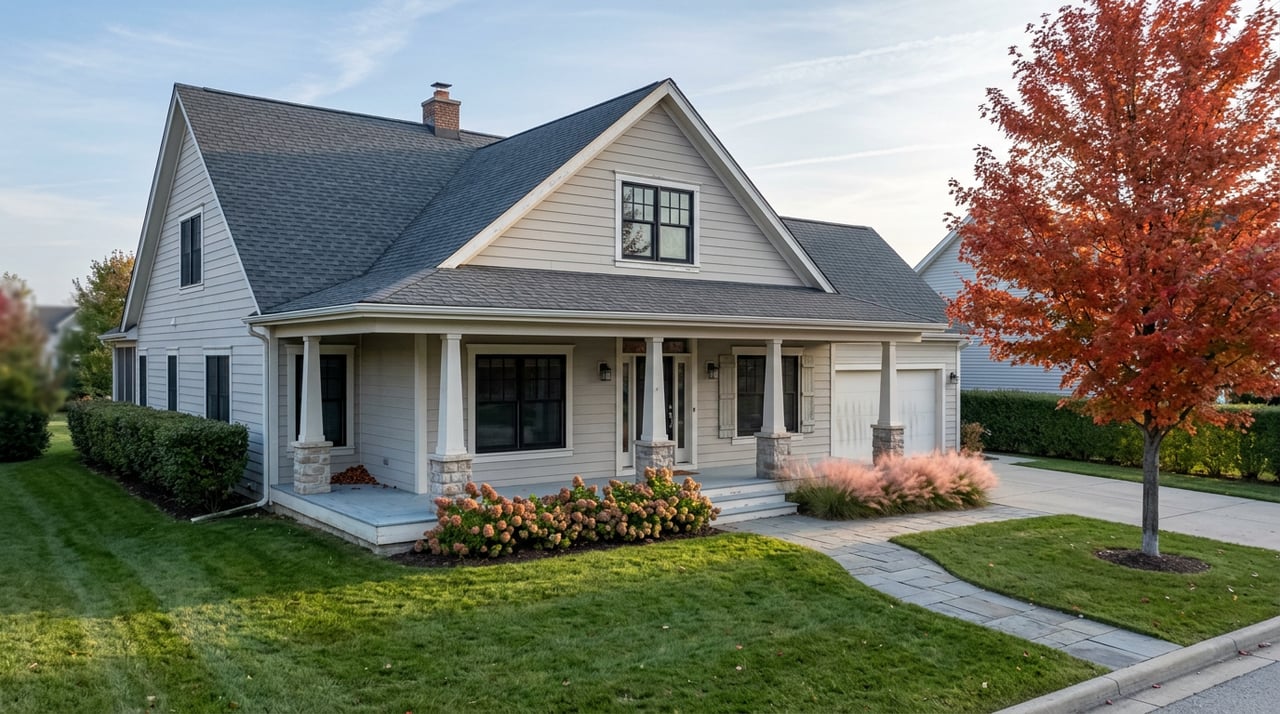
Spring Lake’s housing stock is dominated by single-family homes, many with historic details and generous porches. You will also find smaller cottages, some duplexes, and a limited number of condominiums. Inventory can be tight in small, high-demand shore towns, and Spring Lake is commonly among the pricier markets along this stretch of the coast, with many sales above broader county averages.
If you are comparing properties:
- Consider how you will use the home through all four seasons, including guest space for summer visits and practical storage for winter.
- Understand potential renovation rules if a property falls within areas subject to local preservation or architectural review.
- Ask for recent comparable sales, days-on-market trends, and list-to-sold dynamics to gauge competitiveness.
Property taxes, insurance, and flood zones
New Jersey property taxes are among the highest in the country, and actual bills vary with assessed value and local levies. Along the coast, flood zones are a key factor. Many lenders require flood insurance if a property sits in a mapped zone. Premiums vary by elevation, structure, and mitigation measures. A property-specific review using FEMA maps and a detailed insurance quote will help you plan total cost of ownership.
Short-term rentals and local rules
Shore towns take different approaches to short-term rentals, from licensing and minimum stays to stricter limitations. Spring Lake has its own ordinances and enforcement practices. If rental income is part of your purchase plan, review the latest municipal code, confirm permitting, and understand neighborhood expectations before you make an offer.
Community life and traditions
Year-round life centers on neighborhood connections, local institutions, and a manageable calendar of events. Expect holiday activities, library programs, and civic meetings alongside summer beach and downtown happenings. The seasonal shift is part of the appeal for many residents who prefer a quieter fall-through-spring routine, with broader dining and entertainment options a short drive away.
How Spring Lake compares to nearby towns
- Sea Girt: Similar upscale, residential vibe with a compact commercial area. Both emphasize a calm beach experience over nightlife.
- Belmar: Larger, more active boardwalk scene and broader dining options. Typically offers a wider range of price points and more rental activity.
- Manasquan: Popular with surfers and diners, plus its own NJ Transit station. A bit busier, especially around downtown and beaches.
- Spring Lake Heights: Next-door convenience with different housing options and easy access to major roads.
- Long Branch: Larger city-scale amenities, a robust restaurant scene, and significant redevelopment, with a different urban-shore feel.
If you want a quiet, residential base with strong beach access and you are comfortable driving for bigger-box needs, Spring Lake will likely sit near the top of your list.
Is Spring Lake right for you?
Choose Spring Lake if you value a calm, polished shore lifestyle and want walkable access to the beach and a charming downtown. Be ready to plan around seasonal hours, drive for some services, and evaluate flood and insurance details with care. Once you settle in, you will find a community that balances summer energy with a peaceful off-season routine.
Ready to explore homes that fit your lifestyle and timing? Connect with a trusted local advisor who knows the Shore market inside and out. Reach out to Sal Ventre to talk through neighborhoods, on- and off-market opportunities, and a plan that works year-round.
FAQs
Is Spring Lake livable year-round or just a summer town?
- Spring Lake is very livable year-round, with a quieter pace off-season, active local programs, and everyday services nearby, though some businesses reduce hours in winter.
What is winter like for shopping and dining in Spring Lake?
- Expect a calmer downtown with select restaurants and shops operating on reduced schedules; most residents drive to nearby towns for larger stores and specialty services.
Can I commute to New York City from Spring Lake?
- Yes. Spring Lake has an NJ Transit station on the North Jersey Coast Line with service to regional hubs and connections into NYC; actual travel times depend on schedules and transfers.
How do public schools work for Spring Lake residents?
- The borough operates a local K–8 public school; high school students have historically attended Manasquan High School through a sending-receiving relationship, so confirm current details with the districts.
What types of homes are common and how competitive is the market?
- Single-family homes dominate, including historic houses and beach cottages; inventory is often tight and pricing tends to run above broader county averages, so preparation matters.
Do I need flood insurance for a home in Spring Lake?
- It depends on the property’s FEMA flood zone and elevation; many coastal homes require lender-approved flood insurance, so review maps and get quotes before you buy.