Thinking about moving to Toms River? You are not alone. This Ocean County township offers a mix that can be hard to find in one place: suburban neighborhoods, waterfront living, barrier-island beach access, a large regional school district, and a workable commute setup for many New York-bound residents. If you want a clearer picture of how Toms River is laid out and what daily life may look like, this guide will walk you through the neighborhoods, schools, commute patterns, and key cost considerations. Let’s dive in.
Why Toms River Draws So Many Buyers
Toms River is one of the larger municipalities in Ocean County, with an estimated 2024 population of 99,873, according to the Ocean County Coordinated Human Services Transportation Plan. The same report notes a mean travel time to work of 30.2 minutes, while the U.S. Census QuickFacts page shows a 2024 median household income of $99,547 and an owner-occupied housing rate of 82.1%.
That combination helps explain Toms River’s broad appeal. You get a year-round township with a strong ownership base, a mix of age groups, and housing choices that range from inland subdivisions to lagoon-front homes and beach-area properties.
Toms River Neighborhoods Explained
One of the most helpful ways to understand Toms River is to stop thinking of it as one uniform market. The township’s land-use planning documents point to several distinct lifestyle areas, and that is exactly how many buyers end up narrowing their search.
Inland and North Dover Areas
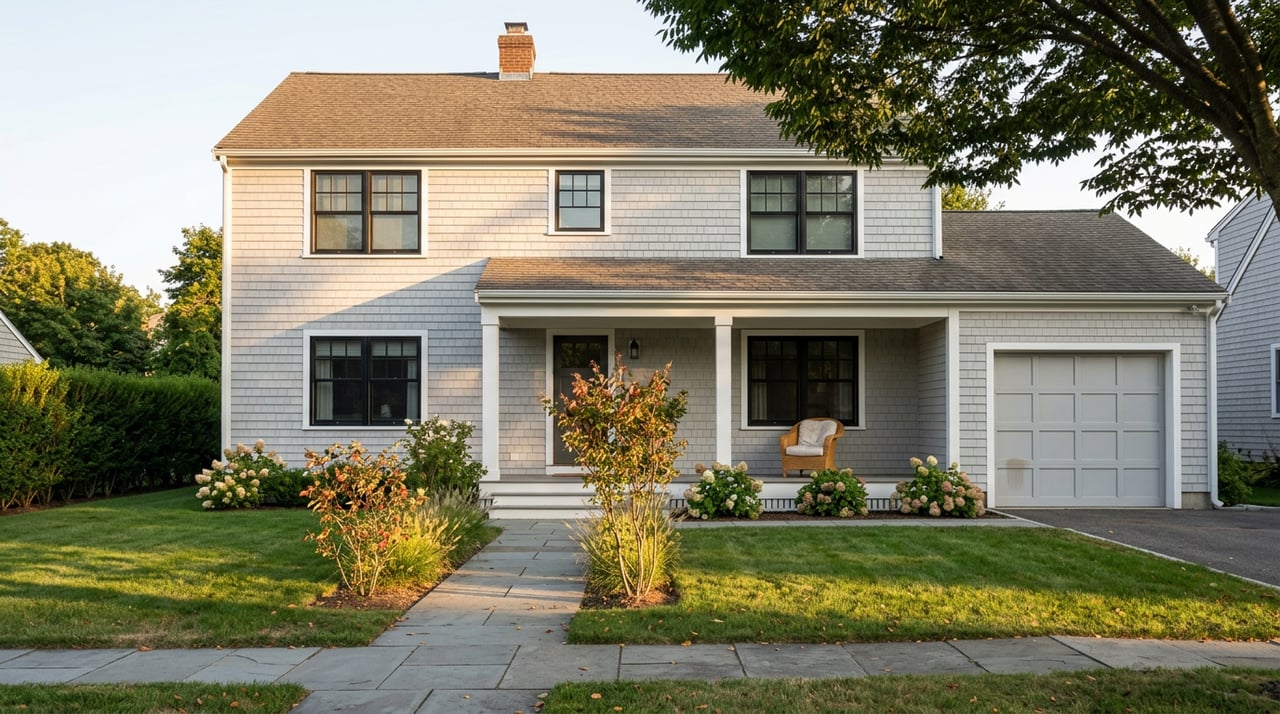
If you want a more traditional suburban setup, inland Toms River is often the first place to look. Planning documents describe the northern part of the township as largely developed with residential subdivisions, including North Dover neighborhoods along Whitesville Road and the roads connecting to Route 9.
This part of town tends to fit buyers who want easier day-to-day car access, established single-family neighborhoods, and a land-based lifestyle rather than a shorefront one. The township also identifies age-restricted communities here, including Greenbriar Woodlands, Holiday City at Silverton, and Lake Ridge, along with townhouse development such as Saratoga.
Mainland Waterfront Neighborhoods
If water access is high on your list, mainland bayshore areas may feel like the sweet spot. The township groups Pelican Island and the Mainland Bayshore into a waterfront category that includes neighborhoods such as Gilford Park, Bay Shore, Shelter Cove, East Dover, Snug Harbor, Green Island, and Silverton.
For many buyers, this is where Toms River’s boating and lagoon lifestyle stands out. At the same time, the township notes that some of these neighborhoods were built on postwar lagoon fill, and areas like Shelter Cove are almost entirely within the AE flood zone, so flood risk and resiliency planning should be part of your decision-making.
Downtown and River-Adjacent Areas
Downtown and the river corridor offer a different kind of convenience. The township identifies two Downtown Toms River Regional Centers, one east of the river and one west, and planning documents also call for better transit and paratransit links between downtown and the Toms River bus station.
If you want a more central location tied to services, civic uses, and transportation connections, this area deserves a closer look. It is not the same as beach living, but it can offer a more connected day-to-day setup.
Barrier Island Communities
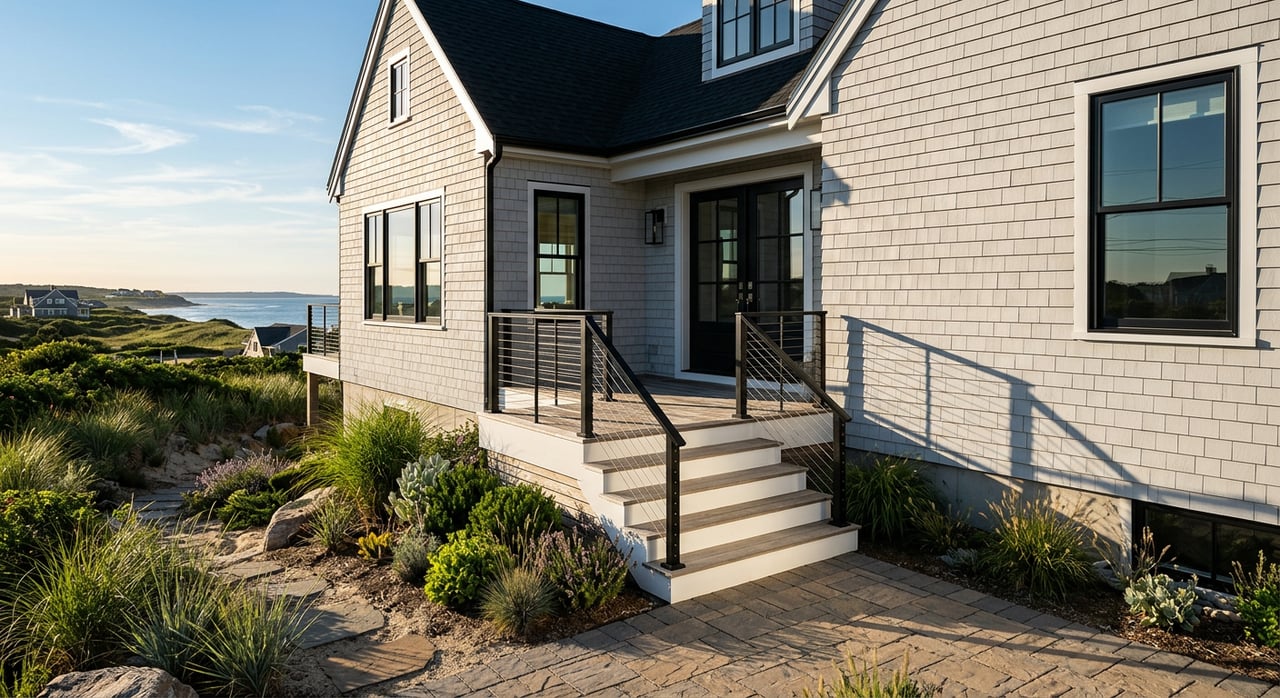
If your goal is direct beach access and a true coastal setting, Toms River’s barrier island communities are the clearest fit. According to township planning documents, the barrier island includes Normandy Beach, Chadwick Beach, Ocean Beach, Ortley Beach, Silver Beach, and Normandy Shores.
These areas are almost entirely built out, with Route 35 serving as the main north-south retail spine. The same township source describes Normandy Beach as more vacation-oriented, Chadwick and Ocean Beaches as denser bungalow communities, and Ortley Beach as a beach community with a small boardwalk between Lavallette and Seaside Heights.
Beach access is the obvious draw here, but the tradeoff is also clear. The township notes that barrier-island emergency facilities must be elevated and upgraded in place because they cannot simply be relocated out of flood hazard areas, which highlights the added resiliency considerations that come with island living.
How to Choose the Right Area
The best neighborhood for you usually comes down to how you want your week to feel.
- Choose inland areas if you want a more conventional suburban layout and easier everyday access to major local roads.
- Choose mainland waterfront areas if you want boating or water views without being directly on the barrier island.
- Choose downtown or river-adjacent areas if central location and access to services matter most.
- Choose the barrier island if beach lifestyle is your top priority and you are comfortable weighing flood-related considerations.
In Toms River, location is not just about price or square footage. It is about matching your home search to your daily routine, commute, and lifestyle priorities.
Toms River Schools and What Buyers Should Know
For many buyers, school logistics are a big part of the move. Toms River Regional Schools is a PK-12 district with 18 schools serving Toms River, Beachwood, Pine Beach, and South Toms River, according to the district’s official administrative roster.
The district includes:
- 12 elementary schools
- 3 intermediate schools
- 3 high schools
The district roster lists High School East, High School North, and High School South, along with Intermediate East, Intermediate North, and Intermediate South. Elementary schools listed include Beachwood, Cedar Grove, Citta, East Dover, Hooper Avenue, North Dover, Silver Bay, South Toms River, Walnut Street, Washington Street, and West Dover.
School Assignments Are Address-Based
One of the most important practical points for buyers is that school eligibility is tied to address. The district’s registration information makes it clear that you should verify school assignment directly before closing on a home.
That step matters in any move, but especially in a large district where attendance zones can shape your daily routine. If schools are part of your home search, confirm the assigned schools early instead of assuming based on a neighborhood name.
District Options Beyond the Basics
Toms River Regional Schools also highlights career academies in arts, STEAM, and business/real estate at the high school level. For buyers comparing school systems, that can be a useful sign that the district offers more than a standard neighborhood-school structure.
The key takeaway is simple: if schools matter to your move, focus on verified address-based assignment and the programs that fit your household’s needs.
Commute Options From Toms River
Commute convenience often shapes where buyers focus within town. Toms River is especially important to understand if you commute toward New York, need county transit options, or want easy weekend access to the shore.
New York Commute Setup
The main official transit hub is the Toms River Park & Ride at Garden State Parkway Exit 81. NJ Transit lists 552 standard parking spaces there and notes ticket office hours seven days a week. Current route listings include the No. 137, Toms River to New York, and the No. 319, New York to Atlantic City to Cape May.
For many NYC-bound commuters, that park-and-ride is the key piece of the puzzle. It gives Toms River a more defined transit option than some shore communities that are much more car-dependent for long-distance commuting.
Local and County Transit
For local travel, the Ocean Ride OC 10 Toms River Connection runs along Route 37 from Toms River to Lavallette, with 12 round trips per day, according to the same county transportation planning report. That route links the mainland to county services, retail, a medical center, a business park, the mall, and resort communities.
If you are trying to balance inland living with beach access or routine local errands, that Route 37 corridor matters more than many out-of-area buyers realize.
Philadelphia Commute Reality
Philadelphia commuting is less straightforward. NJ Transit describes Route No. 317 as Asbury Park to Fort Dix to Philadelphia, which suggests that a Toms River to Philadelphia commute is generally more car-oriented or more complicated by transit connections than the New York commute pattern.
That does not make it impossible. It just means you should map your actual route and timing carefully if Philly access is part of your plan.
Taxes and Cost Context
Moving decisions are not just about the home itself. Ongoing ownership costs matter too.
The New Jersey Treasury’s 2024 average residential tax report lists Toms River Township at $7,896, compared with the Ocean County average of $7,593. The state’s 2025 general tax-rate table also lists Toms River’s effective general rate at 1.523.
Those numbers place Toms River somewhere in the middle of the Shore market. It is not the lowest-tax option in the county, but it is also generally less costly than many oceanfront municipalities listed in the same Treasury report.
Beach Access Even if You Live Inland
One of Toms River’s biggest advantages is that you do not have to live on the barrier island to enjoy shore access. Route 37 is the key east-west corridor connecting the mainland to the barrier islands by way of the Tunney Bridge, according to the Ocean County transportation plan.
That means you can choose a more suburban inland setting and still reach beach communities relatively quickly. For many buyers, that flexibility is what makes Toms River stand out from towns that feel either fully inland or fully seasonal.
Is Toms River a Good Fit for You?
Toms River works best when you want options. You can search for a conventional suburban neighborhood, a mainland waterfront home, a centrally located property near services, or a barrier-island beach house, all within the same township.
It also offers practical advantages that matter after move-in day, including a large school district, an established New York park-and-ride, and direct access to shore destinations through Route 37. If you are looking for a place that blends daily convenience with Jersey Shore lifestyle access, Toms River deserves a serious look.
If you are planning a move and want help narrowing down the right part of town for your goals, connect with Sal Ventre for local guidance on Toms River neighborhoods, waterfront opportunities, and what to expect in today’s market.
FAQs
What are the main neighborhood types in Toms River?
- Toms River generally breaks down into inland suburban areas, mainland waterfront neighborhoods, downtown and river-adjacent areas, and barrier-island beach communities, based on township planning documents.
What school district serves Toms River homes?
- Many homes in the area are served by Toms River Regional Schools, a PK-12 district with 18 schools, but school assignment should always be verified by address before closing.
What is the New York commute like from Toms River?
- Many commuters use the Toms River Park & Ride at Garden State Parkway Exit 81, where NJ Transit lists service including Route 137 to New York.
Is Toms River good for waterfront living?
- Toms River offers several mainland waterfront neighborhoods such as Shelter Cove, East Dover, Snug Harbor, and Silverton, which can appeal to buyers looking for water access without living directly on the barrier island.
Can you live inland in Toms River and still get to the beach easily?
- Yes. Route 37 connects the mainland to barrier-island communities via the Tunney Bridge, making beach access practical for many inland residents.