If you love the Shore but want a place that works in every season, Manasquan deserves a close look. It gives you beach-town energy, a compact layout, and everyday convenience that can support full-time living well beyond summer weekends. If you are trying to figure out which part of town fits your routine, this guide will help you compare the main residential pockets and the practical details that matter year-round. Let’s dive in.
Why Manasquan Works Year-Round
Manasquan is a small coastal borough with an estimated 5,954 residents as of July 1, 2025, and only 1.38 square miles of land. Even with that compact size, the town reads as more than a seasonal destination. Census figures show an 83.9% owner-occupied housing rate, a median owner-occupied home value of $988,100, a median household income of $142,944, and a mean commute time of 34.3 minutes.
Those numbers line up with what many buyers are looking for in a full-time Shore home: an established residential base, strong ownership patterns, and a location that still connects to a broader work and lifestyle radius. The borough also highlights Main Street shopping, dining, concerts, and the beach as part of everyday town life, not just peak-season attractions.
Think in Three Main Pockets
For buyers, Manasquan is easiest to understand as three functional living areas. This approach reflects how the borough is described in zoning, flood, and historic-district documents.
The three pockets are:
- the in-town downtown core
- the beach, inlet, and beachfront blocks
- the quieter inland neighborhoods west of the tracks and near lake- and creek-edge areas
Each one offers a different day-to-day experience. Your best fit usually comes down to how you want to live, move around, and spend your time in every season.
In-Town Core Living
If you want a walkable routine, the in-town core is often the first place to explore. The Main Street Historic District centers on Main, South, and Broad Streets, with residential stretches extending along nearby streets like Pearce, Virginia, Marcellus, and Morris.
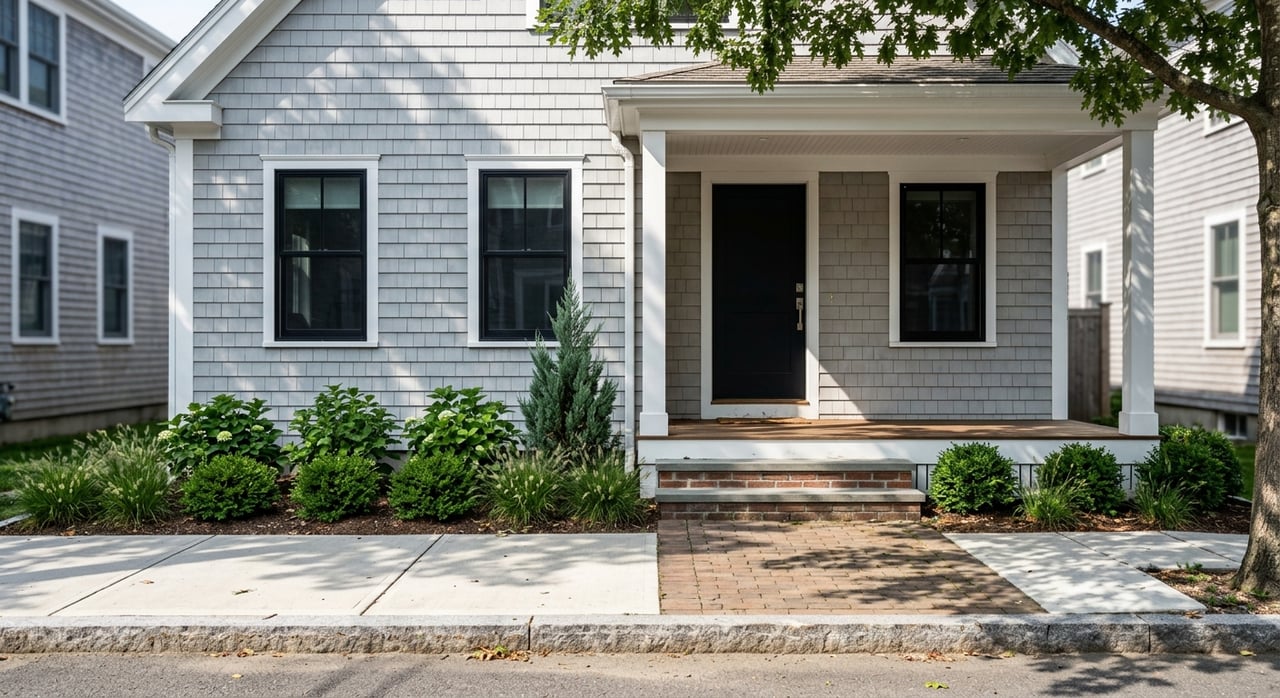
This part of town is known for late-19th- and early-20th-century homes, including Queen Anne, Colonial Revival, and Bungalow styles. The historic survey describes buildings set closer to the street on rectangular lots, with mature street trees shaping the block character.
Downtown Manasquan today includes a three-block stretch of Main Street with more than 50 small businesses, along with the Algonquin Arts Theatre and other neighborhood-scale uses. For year-round living, that can mean easier access to restaurants, shops, and local events without needing to drive for every errand.
Who the In-Town Core Fits Best
This pocket may suit you if you want:
- walkability in your daily routine
- older architectural character
- a shorter trip to shops and dining
- convenient access to the train
- a more connected, pedestrian feel
It can also be a practical choice if you commute or want to stay close to centrally located community assets like the schools on Broad Street.
Beach and Inlet Living
If your top priority is being close to the sand and surf, the beach and inlet pocket will likely have the strongest pull. The borough identifies access points at the Inlet, Whiting Avenue, Brielle Road, Main Beach, Riddle Way Beach, and Elks Beach, and the zoning map labels a Beachfront One-Family Residential district.
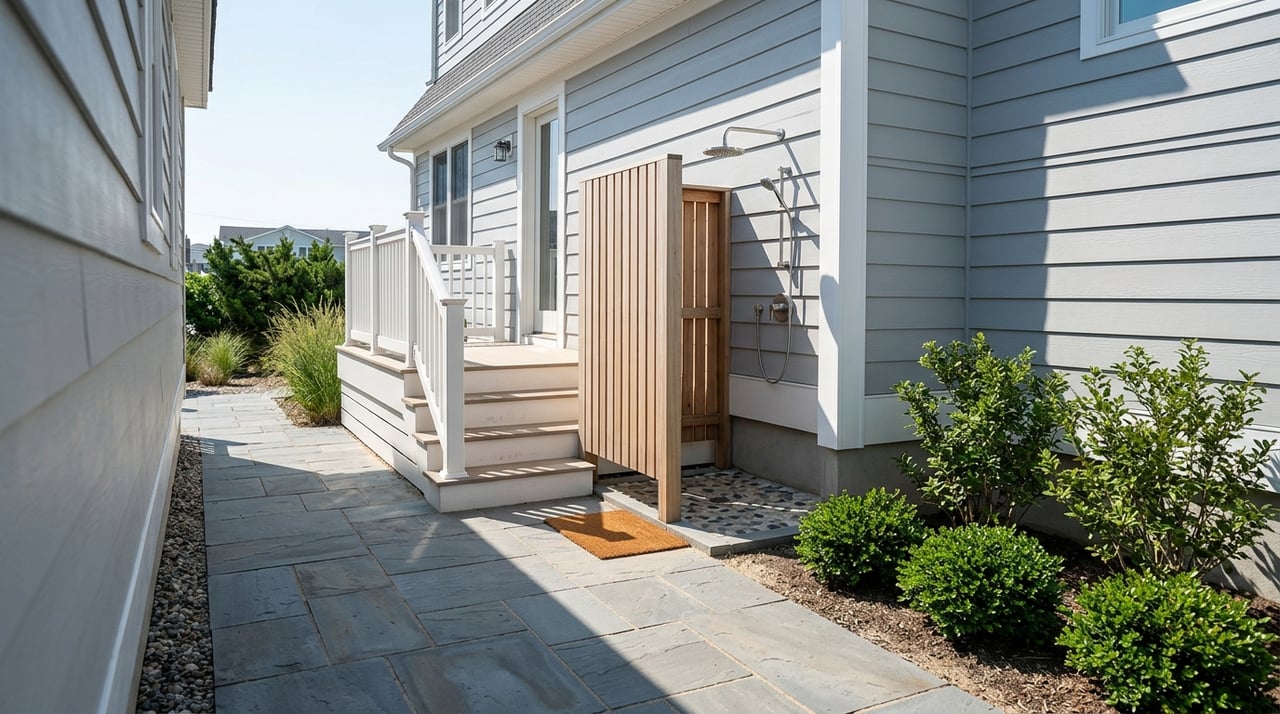
Housing in this area is often associated with tightly spaced beach homes, including Craftsman, Cape Cod, and Victorian styles, along with newer beach-style homes and some inland new construction. The lifestyle here is tied closely to ocean access, waterfront atmosphere, and the visual energy that draws people to Manasquan in the first place.
For some buyers, that tradeoff is worth it all year long. If you want to wake up close to the beach, hear the ocean, or make shoreline walks part of your regular routine, these blocks can be especially appealing.
What to Know About Beachfront Areas
Beach proximity is a major lifestyle advantage, but it comes with added planning. The borough says more than 90% of Manasquan is in some type of flood inundation area, and major-storm flooding can affect streets including First Avenue, Beachfront Road, Riverside Drive, Stockton Avenue, and Whiting Avenue.
That means flood review is not just a beachfront issue, but it is especially important in this pocket. If you are considering a home near the beach or inlet, it helps to understand the flood zone, base flood elevation information, and how access roads may function during major weather events.
Quieter Inland Neighborhoods
If you like Manasquan but want a more tucked-away residential feel, the inland areas may be the best match. The borough’s housing plan notes that the R-2 zone is the largest land area in town and the only single-family zone west of the railroad tracks. It also includes parts of Stockton Lake, Glimmer Glass Harbor, Fisherman’s Cove, and Deep Creek Drive.
Smaller R-1 pockets appear around Stockton Lake and Glimmer Glass Circle, while R-3 areas are located near Watson Creek and south of Brielle Road. These are planning and zoning descriptions, but for buyers, they help explain why this side of town often feels less tied to seasonal beach traffic.
This pocket tends to appeal to full-time households that want quieter streets, more separation from summer foot traffic, and a neighborhood feel that supports everyday living. It can also be a strong fit if you value outdoor access without needing to be right on the oceanfront.
Outdoor Access in Inland Areas
The borough highlights Fisherman’s Cove Conservation Area for bird-watching, walking, biking, kayaking, and dog-beach access. For buyers who want a year-round outdoor routine, that can be a meaningful advantage.
Instead of centering your lifestyle only around the beach, this area can support a broader mix of activities. That often matters more when you are living in town full time and using local amenities in every season.
How to Match the Right Pocket to Your Lifestyle
The best neighborhood fit usually starts with your weekly routine, not just your wish list. In Manasquan, the differences between living areas are more about lived experience than formal neighborhood names.
Here is a simple way to think about it:
| If you want... | Pocket to explore |
|---|---|
| Walkability, historic character, and access to Main Street | In-town downtown core |
| Fast beach access and an ocean-oriented lifestyle | Beach and inlet blocks |
| Quieter residential streets and less seasonal activity | Inland west-of-tracks and lake- or creek-edge areas |
| Easier train access for commuting | Areas near Main Street and Union Avenue |
If you are choosing between two areas, it helps to think about what matters most in January, not only July. A home that feels perfect in peak season may feel very different once daily routines, parking patterns, commute needs, and weather realities come into play.
Practical Factors for Full-Time Buyers
Lifestyle matters, but year-round buyers should also look closely at the basics. In Manasquan, two of the biggest factors are flood due diligence and mobility.
Flood Review Matters Everywhere
The borough warns that more than 90% of Manasquan falls within some form of flood inundation area. It participates in the National Flood Insurance Program and provides flood-zone map interpretations, base flood elevation information, and evacuation-zone guidance.
For you as a buyer, that means flood review should be part of the process even if a property is not directly on the beachfront. This is one of the most important practical steps when comparing homes across different parts of town.
Train and Road Access Shape Daily Life
NJ Transit’s Manasquan Station is located at East Main Street and Union Avenue on the North Jersey Coast Line. The station has parking and bike racks available, but no overnight parking. It also has no ticket agents and one ticket vending machine.
If commuting is part of your routine, location relative to the station can have a real impact on convenience. The borough also identifies Main Street, Brielle Road, and Stockton Lake Boulevard as the three main access roads to the beach, which can help you picture how local movement works during busy times of year.
Central Town Amenities Support Daily Living
Manasquan Elementary and Manasquan High School are located on Broad Street. For many buyers, that central placement adds to the practicality of both the in-town core and some inland areas.
When you combine schools, Main Street businesses, transit access, and public beach infrastructure, the town offers more of a complete year-round setup than many people expect from a Shore location.
What Buyers Often Overlook
Many buyers focus first on distance to the beach, but in Manasquan, the better question is how you want to live from month to month. A home near the ocean may offer the strongest Shore feel, while an inland location may support a quieter routine with easier day-to-day logistics.
You may also find that the in-town core gives you a middle ground. It can offer character, walkability, and access to local businesses while still keeping you connected to the beach and the train.
That is why Manasquan is best understood as a town of distinct lifestyle pockets packed into a small footprint. Once you view it that way, the search becomes much clearer.
Final Thoughts on Year-Round Shore Living
Manasquan stands out because it combines beach-town appeal with real everyday function. The in-town core offers walkability and historic character, the beach and inlet blocks deliver immediate coastal access, and the inland areas give many full-time buyers a quieter residential setting.
If you are thinking about buying in Manasquan, the right move is not just finding a beautiful home. It is finding the part of town that fits your routine, priorities, and comfort level with factors like flood exposure and seasonal activity. If you want local guidance on how these pockets compare in real life, Sal Ventre can help you narrow the search with a Jersey Shore perspective.
FAQs
What are the main neighborhoods for year-round living in Manasquan?
- For buyers, Manasquan is easiest to understand in three main pockets: the in-town downtown core, the beach and inlet blocks, and the quieter inland areas west of the tracks and near lake- or creek-edge streets.
Which part of Manasquan is best for walkability?
- The in-town downtown core is generally the strongest fit if you want to walk to Main Street businesses, restaurants, the theatre, and the train.
Which Manasquan area is closest to the beach?
- The beach and inlet pocket is the closest to beach access points such as the Inlet, Whiting Avenue, Brielle Road, Main Beach, Riddle Way Beach, and Elks Beach.
Are inland Manasquan neighborhoods better for full-time living?
- Inland areas often appeal to full-time households looking for quieter residential streets, more separation from seasonal foot traffic, and access to places like Fisherman’s Cove Conservation Area.
Is flood risk important when buying a home in Manasquan?
- Yes. The borough says more than 90% of Manasquan is in some type of flood inundation area, so flood-zone review is an important part of due diligence in every part of town.
Is Manasquan a practical town for commuters?
- It can be, especially if you live near East Main Street and Union Avenue, where NJ Transit’s Manasquan Station serves the North Jersey Coast Line and offers parking and bike racks.